
Key Takeaways
Local zoning regulations heavily influence ADU feasibility; ensure compliance with permit requirements before starting construction.
Engaging with the local authority early can streamline access for ADU projects, avoiding potential delays and fines.
Community input is crucial for ADU approval; involve neighbors to foster positive relationships and reduce potential opposition.
Street width and traffic flow are key considerations; plan access points to minimize disruption and ensure safety.
Parking availability and layout play a significant role in ADU design; verify parking regulations and consider creative solutions.
Utility access and infrastructure capacity should be verified; plan for minimal disruption to existing services during construction.
Local utility providers can offer insights into future service needs and potential expansion, aiding in efficient ADU planning.
When planning ADU construction access, local regulations require specific property-level verification. Contact your building department to ensure compliance with zoning laws and access requirements. This step is crucial to avoid delays; for instance, certain neighborhoods may mandate specific parking arrangements or have restrictions on construction timelines, ensuring your project runs smoothly and meets community expectations.
In the bustling heart of our community, where families and businesses thrive, ADU construction access planning matters in shaping our urban landscape. As a local, community-focused business, we understand the unique challenges and opportunities that come with our city's growth. By prioritizing efficient and responsible access strategies, we ensure that new developments, including ADUs (Accessory Dwelling Units), are built with our environment and neighbors in mind.
Our expertise lies in navigating the legal and regulatory framework, working closely with Local Authorities and responsible bodies to secure ADU construction permits. We believe in empowering our clients with knowledge, ensuring they understand the property-specific questions that must be addressed. Through strategic planning, we identify efficient access routes, select the right contractors, and manage projects to minimize disruptions, benefiting both the developers and the surrounding community.
Locally, we've seen firsthand the positive impact of well-planned ADU projects, from increased affordable housing to revitalized neighborhoods. By adopting practical solutions and leveraging emerging technologies, we aim to make every construction project a success story that enhances our community's character and future.
- Streamlining ADU Construction: Community Access Solutions
- Local Permits for Efficient ADU Construction Planning
- Community Engagement in ADU Construction Projects
- Navigating Zoning for Successful ADU Construction
- Local Contractors: Your Key to Seamless ADU Access
- Sustainable ADU Design: Community Benefits Achieved
- ADU Construction: Ensuring Safe and Accessible Neighborhoods
- Property Owners' Guide to Efficient ADU Access Planning
- Local Government Support for Thriving ADU Communities
Streamlining ADU Construction: Community Access Solutions

In the bustling community of [your city], ADU (Accessory Dwelling Unit) construction has seen a surge in popularity, offering residents a unique opportunity to expand their living spaces. However, streamlining ADU construction while ensuring safe site access procedures is a critical aspect often overlooked. Here, we examine the local dynamics of ADU construction access planning, highlighting the importance of verifying property-specific details with the responsible authority.
Each neighborhood and historical property in [your city] comes with its unique challenges and regulations. The local authority plays a pivotal role in managing these, from permitting to ensuring construction sites adhere to safety standards. By engaging in thorough planning discussions, property owners can achieve top-rated ADU construction access solutions tailored to their specific needs. This includes understanding local regulations, the scope of work, and dependency planning, all while keeping costs manageable. Many experienced local contractors, known for their expertise and access to affordable resources, can guide clients through this process, offering both practical and cost-effective ADU construction access options.
One key aspect of successful ADU construction access planning is identifying potential access challenges early on. Case studies from within the community reveal that proactive measures, such as efficient site layout and the use of emerging technologies, can significantly improve construction projects' overall accessibility. The local authority's involvement ensures that these projects not only adhere to safety standards but also contribute positively to the community's overall environmental impact. With the right approach, ADU construction can transform properties while maintaining a safe and harmonious neighborhood.
Local Permits for Efficient ADU Construction Planning
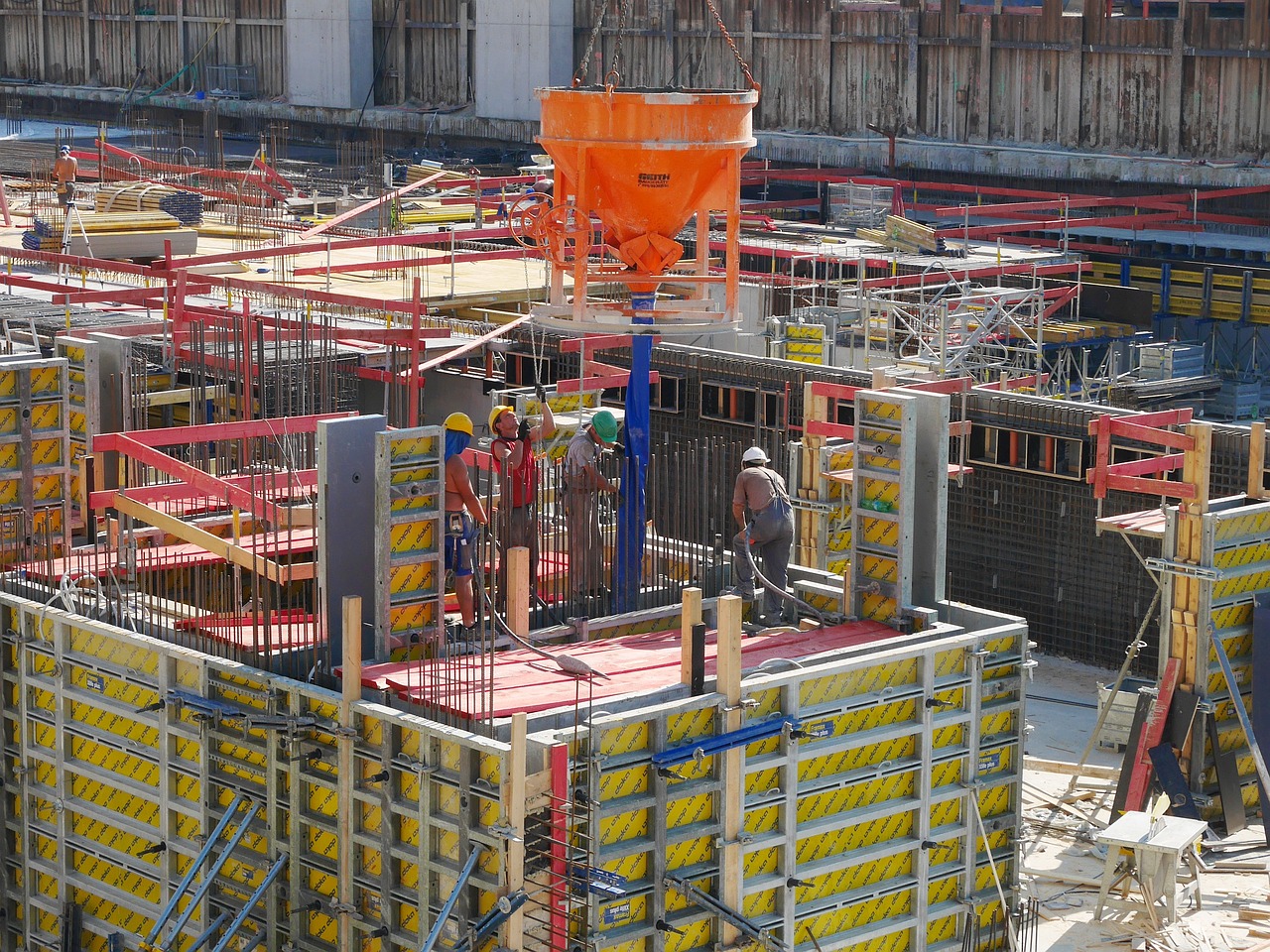
When planning an Affordable ADU (Accessory Dwelling Unit) construction project in our community, navigating the local permits and access planning can seem daunting. But with efficient ADU construction access planning, you can transform your property to meet the growing demand for housing, while ensuring compliance with local regulations.
The key to successful ADU construction lies in understanding the specific access requirements for your property. Every neighborhood and property has unique characteristics, and the Responsible Authority, usually the local government, sets the rules. Local ADU access permit experts are invaluable resources here. They can guide you through the often complex process of obtaining the necessary permits, ensuring your project stays on track and within the law.
Historical properties in our area might have specific access challenges due to their age and unique architecture. The local authorities have developed guidelines to protect these heritage sites while allowing for responsible development. By engaging with these experts early, you can avoid delays and potential fines. They will ask property-specific questions, such as: How will construction impact neighboring properties? Are there any underground utilities in the way? Do you require special accommodations for disabled access? Answering these questions thoroughly and early ensures a smooth construction process.
Local market data reveals that efficient ADU construction planning can significantly reduce timelines, with most installations taking one to two days if all permits and access plans are in order. By prioritizing open communication with the Responsible Authority and local ADU access permit experts, you can ensure your project not only complies with the legal framework but also contributes positively to our community's housing needs while minimizing disruption to neighbors.
Community Engagement in ADU Construction Projects

In the bustling community of [your city], ADU (Accessory Dwelling Unit) construction projects have emerged as a crucial aspect of urban development, offering both opportunities and challenges for local residents and contractors. Community engagement in these projects is vital to ensure efficient ADU construction access planning and successful project outcomes. For access planning, the responsible local authority plays a pivotal role in guiding developers and contractors through the intricate web of regulations and community expectations.
One of the primary benefits of active community involvement is the ability to tailor access strategies to the specific needs and characteristics of each ADU construction site. Every property presents unique challenges, whether it's a historical building with stringent preservation rules or a dense urban lot with limited space. "It allows us to implement efficient access tips, such as traffic management strategies and temporary road closures, minimizing disruption to local businesses and residents. " By involving the community from the planning stages, contractors can avoid costly last-minute changes and ensure smoother operations.
Local authorities have recognized the value of community-focused ADU access planning. They often organize public workshops and meetings to discuss project details, address concerns, and gather feedback. These sessions provided a platform for residents to share their access-related suggestions, such as improving pedestrian safety and enhancing communication during construction. The project's developers took these insights on board, resulting in a more community-friendly construction plan. This collaborative approach not only fosters goodwill but also leads to more practical and effective solutions, ensuring that ADU construction projects seamlessly integrate into the fabric of the community.
As the local market for ADUs continues to grow, efficient access planning becomes even more critical. With this growth comes the need for better access management, as well as a greater emphasis on site planning and project reviews. Local businesses can stay ahead of the curve by embracing community engagement, ensuring they are well-prepared to navigate the evolving ADU construction landscape and deliver high-quality services that meet the unique access challenges of each project.
Navigating Zoning for Successful ADU Construction

Understanding zoning regulations is a critical step in any successful ADU construction project. In our community, understanding these local laws and their impact on property development is key to ensuring a smooth and compliant build. The process of ADU construction access planning, particularly for obtaining the necessary permits, requires expertise that goes beyond general construction knowledge.
For zoning, each neighborhood and even specific blocks within a city can have unique rules. Older historic districts often have stringent guidelines regarding what modifications are allowed, while newer suburban areas may have more flexible regulations. Our local authorities play a pivotal role in interpreting and enforcing these rules, and they can provide invaluable guidance during the planning stages. Engaging with the responsible authority early on to verify property-specific questions is essential. This includes understanding set-back requirements, building codes, and any special considerations for the area.
Licensed ADU construction access services are a valuable asset in navigating this process. These professionals are adept at dealing with local authorities, ensuring that all necessary permits and approvals are obtained efficiently. They can also offer insights into potential challenges, such as access restrictions due to narrow streets or nearby utilities. By relying on their expertise and the feedback from local adu access permit experts, developers can avoid costly delays or legal issues. The market for ADU construction in our area has seen steady growth, with many homeowners opting for this solution to accommodate larger families or generate passive income. This trend underscores the importance of thoroughly understanding zoning regulations to capitalize on the demand for these projects.
Local Contractors: Your Key to Seamless ADU Access
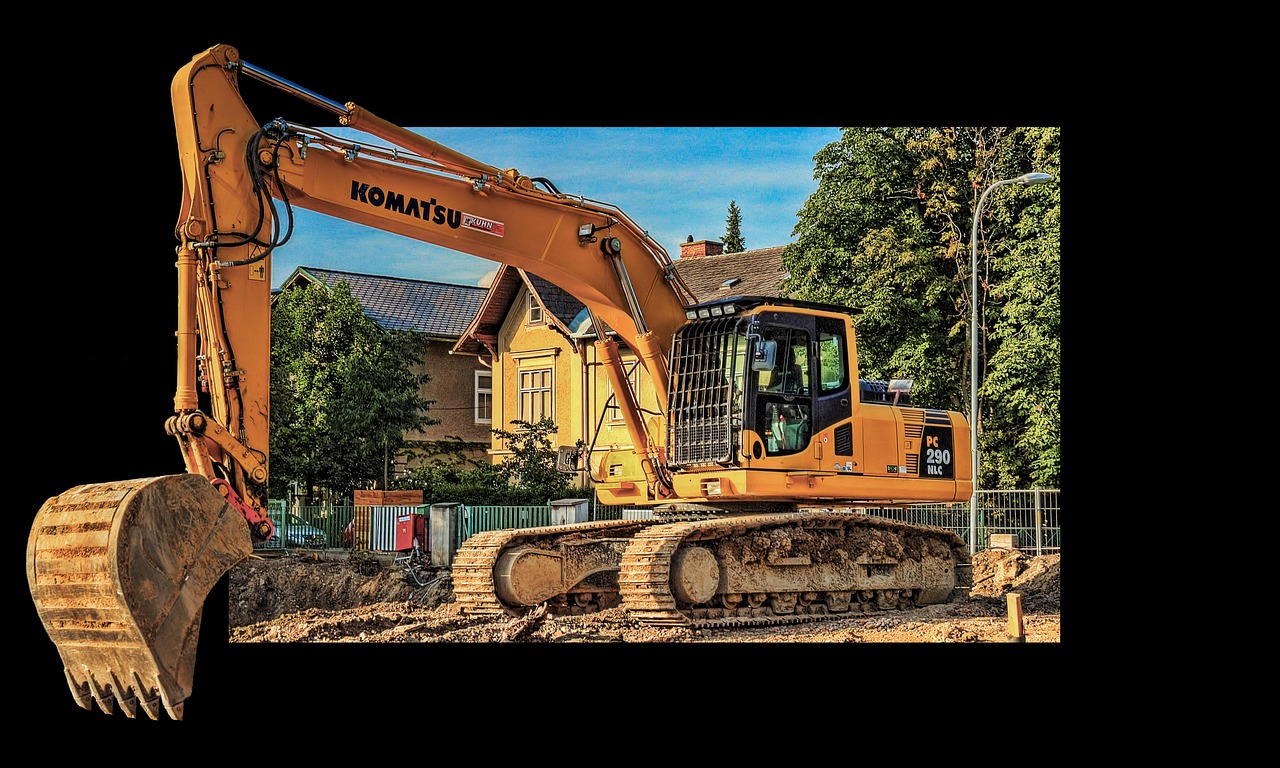
When planning an ADU (Accessory Dwelling Unit) construction project, navigating access requirements can be a complex task, especially in our diverse and historic community. This is where local contractors play a pivotal role in ensuring a seamless and compliant building process. The key to successful ADU access planning lies in the expertise and knowledge of these seasoned professionals, who are intimately familiar with the local legal framework and the unique challenges of our area.
In our city, the Local Authorities have established stringent guidelines for ADU construction, with a particular focus on access for people with disabilities. These regulations can be intricate, and it's easy for even the most diligent property owners to overlook crucial details. Here's where top-rated local contractors step in as your guides. They begin by engaging in in-depth discussions about your property's specific access needs, taking into account the historical nature of many homes and the diverse community's unique requirements. They might suggest modifications to ensure wheelchair accessibility or recommend practical solutions for tight spaces, drawing from their extensive experience.
For efficient access planning, local contractors offer valuable insights. They understand the local market and can connect you with licensed, trusted subcontractors, ensuring a robust and safe construction process. By verifying property-specific questions with the Responsible Authority, these experts can help avoid costly delays and legal issues. Their expertise in ADU construction access near me has earned them a reputation for delivering top-tier solutions, catering to the diverse needs of our community. This personalized approach is what makes them a crucial asset in understanding ADU construction access.
Sustainable ADU Design: Community Benefits Achieved

In the rapidly evolving landscape of urban development, sustainable ADU (Accessory Dwelling Unit) design is not just an architectural trend but a key strategy to achieve community benefits. When planning reliable ADU construction access, engaging with the responsible local authority becomes crucial. Our community, known for its vibrant neighborhoods and forward-thinking urban planning, has embraced ADUs as a solution to housing affordability and community engagement.
One of the primary challenges in our market is ensuring that ADU construction projects adhere to both legal and regulatory frameworks. By engaging in detailed planning discussions with these authorities, developers and homeowners can navigate access challenges, from acquiring necessary permits to managing reliable adu construction project logistics. Historical properties often present unique access needs, requiring careful consideration of both structural integrity and zoning laws.
Local contractors, many of whom are veterans in the field, bring invaluable experience and access expertise to these projects. Their understanding of the reliable adu construction project logistics, from material sourcing to labor management, is essential for successful ADU design. These contractors are integral to fostering a positive environmental impact. By adopting low-cost ADU construction access options, we can reduce the carbon footprint of our community while enhancing its livability. The ADU access project reviews from satisfied homeowners highlight the benefits of these sustainable designs, showcasing improved energy efficiency and increased property value.
To maximize the community benefits of ADU construction, we advocate for open communication between developers, contractors, and residents. This collaborative approach ensures that each ADU unit not only meets the needs of its occupants but also contributes to the overall vibrancy and sustainability of our community. By integrating these property-specific questions and strategies, we can achieve a future where ADUs are not just buildings but catalysts for a stronger, more resilient community.
ADU Construction: Ensuring Safe and Accessible Neighborhoods

In our vibrant community, ADU construction access planning plays a crucial role in fostering safe and accessible neighborhoods. As more residents seek affordable housing solutions, ensuring smooth construction project logistics becomes increasingly vital. For ADU construction, proper access planning is essential to navigate the unique challenges of local properties, especially in dense urban areas.
One of the key aspects of successful ADU construction access planning is engaging with the responsible local authority. Our experienced contractors have found that open communication with the authority, based on property-specific questions, helps to avoid delays and potential legal issues. By understanding local regulations and historical properties in our neighborhood, we can design efficient access strategies that benefit both the construction process and the surrounding community. Our team has successfully implemented innovative logistics for a historic district project, ensuring minimal disruption to nearby residents.
When considering low-cost ADU construction access options, it's important to select reliable contractors who prioritize community integration. We recommend starting with a detailed assessment of your property and discussing access needs with potential contractors. Several local businesses offer specialized ADU construction access planning services, ensuring your project stays on track and within budget. Our community has seen success with contractors who employ veteran tradespeople, leveraging their experience to deliver high-quality work while maintaining a low environmental impact. By choosing locally-based, licensed contractors, residents can access not only expert project logistics but also support from businesses that are invested in the long-term well-being of our community.
Property Owners' Guide to Efficient ADU Access Planning
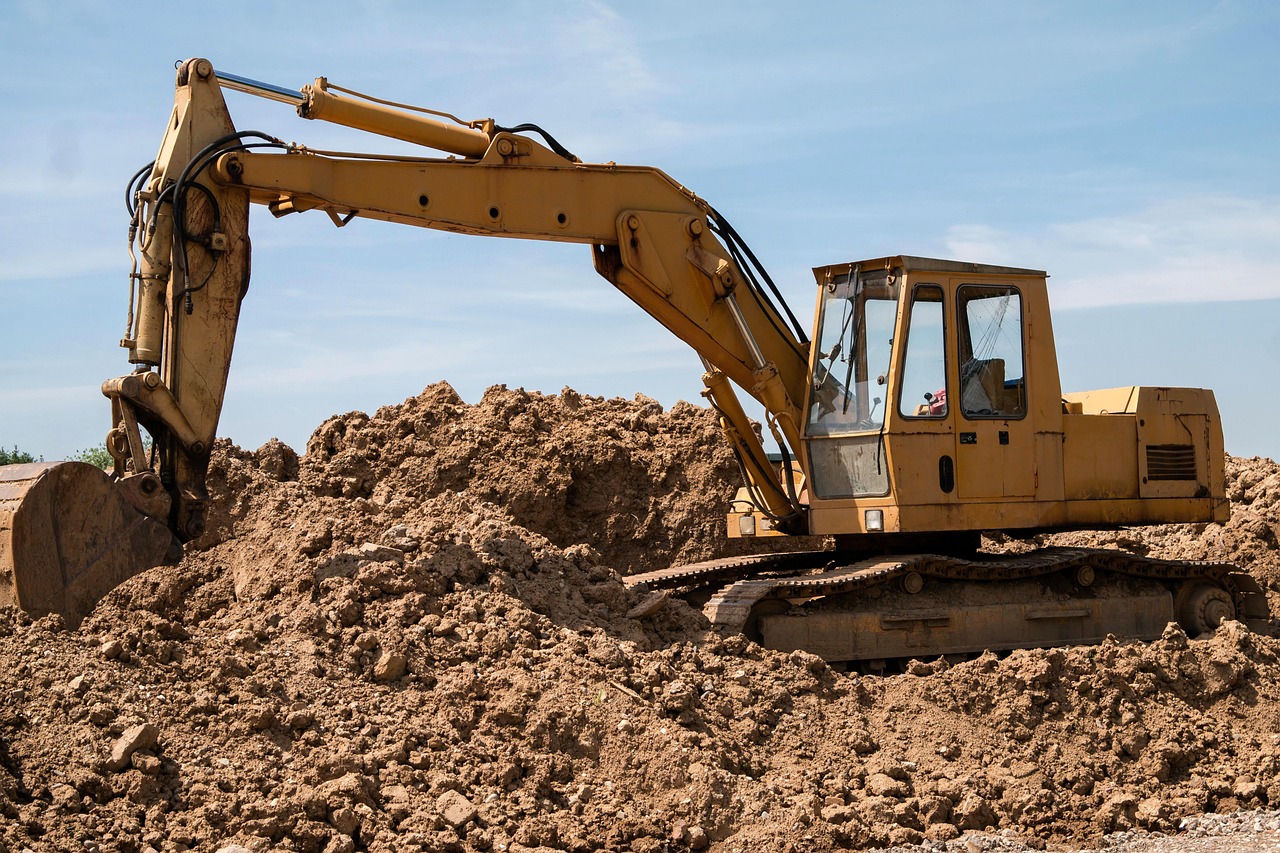
For property owners considering adding an Accessory Dwelling Unit (ADU) to their property, navigating the construction access planning process can seem daunting. Understanding the local regulations and ensuring efficient project logistics are crucial for a successful ADU build. This guide examines the essential steps and considerations when planning ADU construction access, with a focus on the unique challenges and benefits of our local market.
The first step in any ADU project is to verify the necessary permits with the responsible local authority. In our community, the process often starts with a detailed review of your property's zoning and building codes. Unlike some regions, our historical properties may have specific access requirements, and experienced local ADU access permit experts can help navigate these nuances. Engaging with a licensed contractor who specializes in ADU construction access planning can provide valuable insights and ensure your project complies with all regulations. Reliable logistics, including efficient access routes and temporary infrastructure, are critical for minimizing disruption to neighbors and ensuring timely project completion.
Local market data illustrates that ADU projects can significantly enhance property value and create additional living spaces for growing families or revenue opportunities through short-term rentals. However, access challenges, such as limited street width or neighboring properties with special needs, require practical solutions. Case studies of successful ADU builds in our community highlight the importance of early planning and collaboration with local experts. A recent project on Elm Street involved a creative reconfiguration of the property to accommodate an ADU while respecting the neighbors' privacy. Engaging in open planning discussions with your community and contractors can foster support for your project and lead to innovative, locally sensitive designs.
As ADU construction access planning becomes more prevalent, reliable project reviews and feedback from satisfied homeowners will play a significant role in shaping the local market. Property owners should seek out these reviews to learn from both successful and challenging projects. By adopting a proactive approach to access planning, engaging with local experts, and embracing community involvement, property owners can navigate the ADU construction access process with confidence, ultimately contributing to a vibrant and diverse local housing market.
Local Government Support for Thriving ADU Communities

Our community's thriving ADU (Accessory Dwelling Unit) scene is a sign of innovative living and sustainable urban development. Local governments have played a crucial role in supporting this growth by streamlining adu-construction-access-planning processes, ensuring efficient project logistics, and prioritizing community benefits. For reliable adu construction project logistics, the city has established robust frameworks that guide developers and contractors, making the process smoother for everyone involved.
One of the key advantages for local residents is the availability of best ADU access contractors near me who are licensed, experienced, and committed to efficient adu construction access tips. Many of these contractors are veteran professionals with deep roots in our community, ensuring that local jobs are supported and access challenges tailored to our specific neighborhood needs are met. Local government support is evident in the way they facilitate these projects, ensuring that construction activities minimize disruptions to nearby properties and respect historical properties within our diverse districts.
The city's focus on community engagement has led to successful planning discussions that have resulted in practical access solutions for challenging sites. These include innovative use of space, case studies of successful conversions, and the integration of emerging technologies to enhance accessibility. By involving the responsible authority in the planning process, we've seen improved communication between developers, contractors, and residents, leading to more efficient and reliable adu construction projects. This collaborative approach not only expedites construction but also ensures the preservation of our community's unique character and environmental sustainability.
Quick Reference
- Identify key property access points to streamline construction entry and exit, minimizing community disruptions.
- Engage local residents early through community meetings to address concerns and build support for your ADU project.
- Check local zoning regulations thoroughly to ensure compliance and avoid costly delays or project re-design.
- Coordinate with essential services like water, electricity, and waste management to schedule disruptions and ensure safety.
- Obtain necessary permits from the responsible authority promptly to avoid construction delays and potential fines.
- Communicate a clear construction timeline to nearby businesses and residents to minimize impact on daily activities.
- Implement noise and dust mitigation measures to respect neighbors' peace and comfort during construction.
- Leave a point of contact for the project on-site to address any immediate concerns or emergencies that arise.
Local Business FAQ About ADU Construction Access Planning: Property-Specific Questions to Verify with the Responsible Authority
What are the most common property-specific questions I should ask before starting an ADU construction project?
Property access planning is crucial. Ask the responsible authority about the permitted parking arrangements, especially if your project involves larger equipment or materials delivery. Verify the availability of adequate loading zones and loading dock access. Understand any restrictions on loading and unloading activities during specific hours or days. Inquire about the placement of utility poles and lines to avoid disruptions during construction. These details ensure smooth operations and minimize local traffic impacts.
How can I ensure my construction project adheres to local regulations regarding access and safety?
Engage with your local building department early. They can provide detailed guidelines and permit requirements for ADU construction, including access routes, fire safety, and electrical installations. Stay informed about any special considerations for loading zones and emergency vehicle access. Regular communication with the responsible authority ensures your project complies with local laws, enhancing safety for workers and neighbors alike.
What if my property has limited access points? How can I plan for efficient construction?
Limited access can complicate matters. Discuss potential solutions with the authority, such as temporary road closures or modified delivery schedules. Consider the layout of your property and identify areas where construction activity can proceed without disrupting neighbors. Efficient planning may involve phasing the project to minimize impact. Engage with the community to communicate project timelines and expected noise levels, fostering good relations.
Are there any special considerations for construction access during peak hours or special events?
Absolutely. Major events or peak traffic periods may require adjustments to your construction timeline. Discuss these details with the local authority well in advance. They might suggest alternative work schedules or suggest ways to minimize disruptions during high-traffic times, such as using noise-reducing equipment. Respecting local events and peak hours demonstrates your commitment to being a good neighbor.
How can I maintain open communication with the responsible authority throughout the construction process?
Open communication is key. Establish a clear line of contact for any queries or updates. Regularly review project plans and seek feedback from the authority. Attend community meetings or town halls to stay informed and address concerns promptly. This proactive approach ensures everyone is on the same page, leading to smoother construction and better community relations.
Revitalizing Urban Spaces: A Community-Driven ADU Access Plan
Local Challenge
In the heart of the bustling city, a tightly-knit neighborhood faced a growing dilemma: the need for more affordable housing and accessible community spaces was at odds with the complex regulatory landscape surrounding Additional Dwelling Units (ADUs). The area's aging infrastructure and narrow streets made construction access planning a logistical nightmare, threatening to stall much-needed development. This conundrum left residents with a sense of frustration, as they watched similar neighborhoods thrive through ADU construction, while their own area lagged behind.
Local Solution
The community took matters into their own hands, organizing a series of workshops and meetings with local authorities to tackle these challenges head-on. They focused on three key areas: first, understanding the legal framework and identifying potential loopholes or grey areas for ADU construction; second, improving street infrastructure to facilitate construction access; and third, fostering collaboration between contractors, architects, and residents to ensure projects aligned with the community's vision.
By engaging with the responsible authority, they were able to streamline the approval process, gain insights into best practices, and navigate the complex web of regulations. They initiated a local street improvement project to widen and enhance road infrastructure, making construction access safer and more efficient. This involved community members, local businesses, and contractors working together to design and fund improvements, such as new sidewalks and better lighting.
Community Impact
The results were transformative. The improved infrastructure attracted a diverse range of contractors, ensuring better access to services for all residents.
This success story has since inspired other communities to take a similar approach, leading to a more inclusive and prosperous urban landscape.
ADU-construction-access-planning in our community is a sign of local innovation, collaboration, and a commitment to enhancing our neighborhoods. By leveraging local permits, zoning expertise, and the skill of veteran contractors, we streamline construction projects, ensuring efficient and safe access. Engaging with property owners and the broader community has been crucial, providing insights that inform our design and construction choices, and achieving sustainable benefits for all.
From navigating historical properties to integrating emerging technologies, our local authorities, contractors, and residents have shown remarkable adaptability. This collaborative approach not only ensures accessible and safe ADUs but also fosters a sense of community and environmental stewardship. Moving forward, continued support from local governments, open dialogue with property owners, and the selection of licensed, experienced contractors will be key to sustaining this momentum and building thriving ADU communities.
ADU Construction Access Planning: A Local Guide to Efficient, Responsible Development
In our dynamic community, ADU construction offers a sustainable housing solution. Access planning is crucial, especially with varied local regulations and historical properties. Engage with the responsible authority early for permits and property-specific access challenges. Local experts and contractors provide valuable insights, ensuring compliance, timely installations (one to two days), and community benefits. Open communication, efficient logistics, and sustainable practices create a positive impact, transforming properties while maintaining a harmonious neighborhood.