Key Takeaways
Optimize for local zoning: Understand your area's regulations and build accordingly to avoid delays and fines, ensuring your ADU complies with local laws.
Partner with local contractors: Engage with businesses that understand your community's unique construction needs and have established relationships with local suppliers for streamlined access.
Prioritize community engagement: Open communication with neighbors about your ADU plans can foster positive relationships and potentially streamline permit processes through community support.
Leverage local resources: Take advantage of community workshops, city-provided permits, and online tools tailored to your region for cost-saving and efficient construction access.
Focus on energy efficiency: Incorporate locally available, sustainable materials and energy-saving features to lower construction costs and future utility expenses, aligning with regional green building initiatives.
Network with local suppliers: Building relationships with nearby suppliers can reduce transportation costs and ensure timely access to materials during construction.
Directly addressing cost-effective ADU (Accessory Dwelling Unit) construction access, property owners in our area can optimize their projects by partnering with local, licensed contractors familiar with the unique urban landscape. This ensures efficient material delivery, minimal traffic disruptions, and faster completion times, benefiting both property value and community harmony.
In today's changing housing market, adding an Accessory Dwelling Unit (ADU) can be a transformative solution for property owners in our community. With increasing demand for affordable housing, efficient ADU construction access planning is more crucial than ever. Our local authorities have implemented streamlined processes for ADU construction permits, making it easier than ever to bring these additional living spaces to life.
This community-focused approach not only addresses housing needs but also creates local jobs for veteran contractors, fostering economic growth. By prioritizing efficient access and local regulations, we're seeing successful ADU projects completed in just one to two days, minimizing disruption to neighbors and maximizing property value. We're here to guide property owners through this process, ensuring they understand the scope of their project and the local experts they need to create their dream ADU.
- Streamlining ADU Construction: Permits and Regulations 101
- Maximize Space: Efficient ADU Layout Strategies for Small Yards
- Cost-Saving Tips: Sustainable Building Materials for ADUs
- Community Impact: How ADUs Revitalize Neighborhoods and Property Values
- Zoning and Setback Rules: Navigating Local Laws for ADU Construction
- Energy-Efficient ADUs: Lowering Operating Costs with Smart Design
- Homeowner Association (HOA) Guidance: ADU Approval Processes
- ADU Construction Access Planning: Minimizing Disruption in Urban Environments
Streamlining ADU Construction: Permits and Regulations 101

In the rapidly evolving landscape of urban living, adding an Accessory Dwelling Unit (ADU) to your property offers a viable solution to the housing crisis, promoting community growth and diversity. However, navigating the complex web of local regulations and permits can be daunting for property owners. Streamlining ADU construction access planning is crucial to ensure projects are completed efficiently, within budget, and without unnecessary delays.
Our local market data reveals a growing trend: many property owners are turning to ADUs as a practical solution to housing shortages, especially in densely populated areas. To facilitate this, understanding the intricate dance between ADU construction access planning and local authorities is essential. The Responsible Authority, typically the local government, plays a pivotal role in issuing ADU construction permits, ensuring compliance with historical property regulations and neighborhood zoning. This process demands meticulous attention to detail and a deep understanding of local regulations, which can be overwhelming for the uninitiated.
The good news is, nearby ADU access experts and trusted construction project coordinators are readily available to guide property owners through this intricate process. These professionals act as advocates, translating complex legal jargon into actionable steps, and ensuring your project meets all necessary requirements. They excel in reliable ADU construction project logistics, coordinating with various stakeholders, including local authorities, architects, and contractors. A case study of a recent ADU construction project in our community highlighted the seamless coordination between the property owner, local authorities, and a reputable contractor, resulting in a successful project completion within the projected timeline.
By leveraging the expertise of these local professionals, property owners can focus on the bigger picture, envisioning their ADU's potential to enhance their living space and contribute to the community's vibrancy. This collaborative approach not only streamlines the construction access planning process but also ensures that the final product aligns with both the property owner's vision and local regulatory standards.
Maximize Space: Efficient ADU Layout Strategies for Small Yards
In the competitive and changing market of property development, maximizing space in compact urban areas like our community is a top priority for many homeowners. This is where Accessible Unit (ADU) construction shines as a solution, and efficient ADU layout strategies are key to making the most of small yards. When planning an ADU project, local regulations and creative design choices can transform a limited space into a profitable and functional addition.
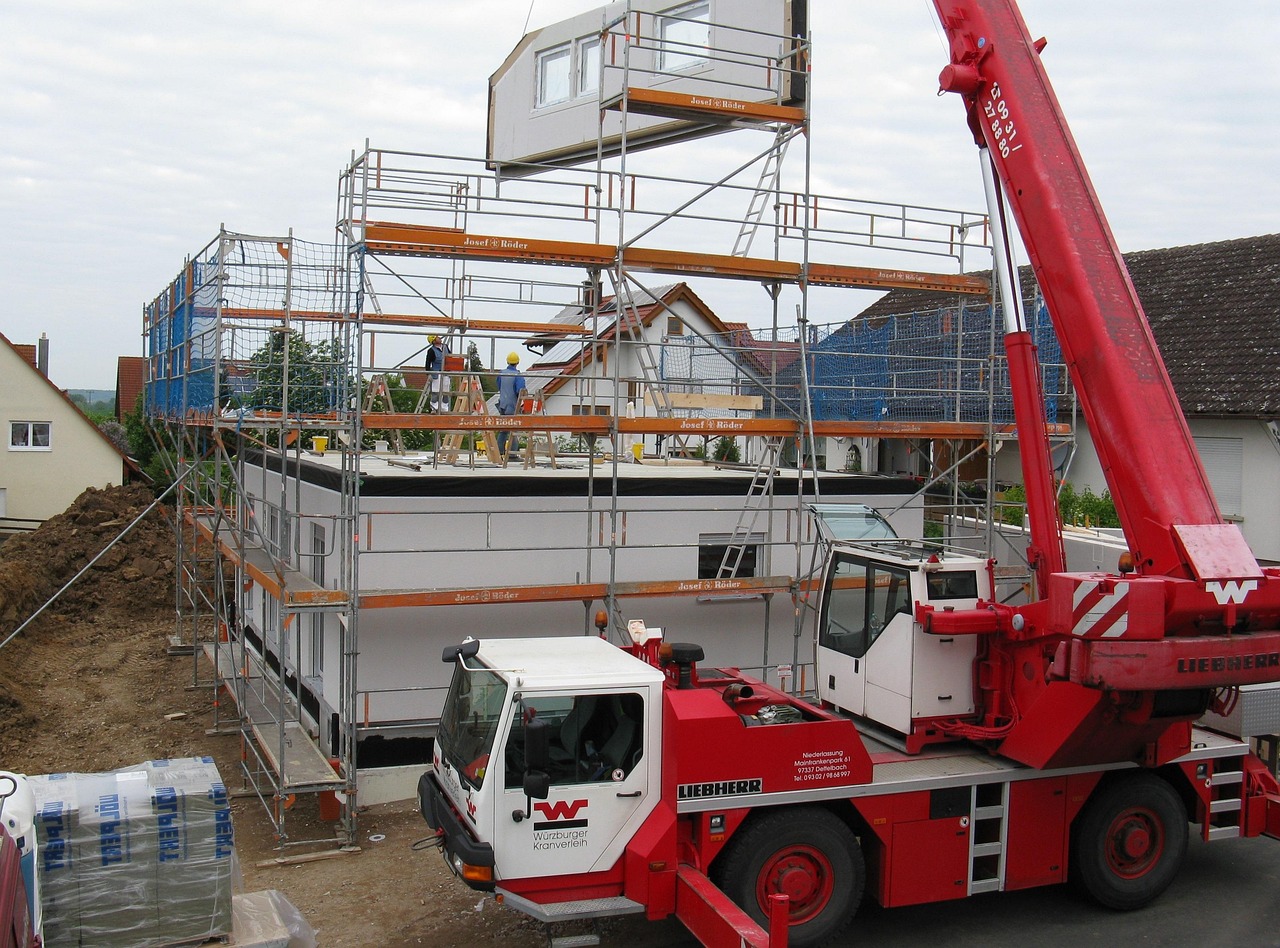
Consider a property owner in our neighborhood who wanted to add an ADU to their backyard. By employing a modular construction approach, they were able to reduce on-site construction time and disruption. This strategy involves prefabricating parts of the ADU off-site, allowing for quicker assembly and less logistical hassle. The result? A spacious, modern unit that seamlessly blends with the existing property, all while minimizing the impact on the tight backyard. This case study illustrates how local ADU construction access planning can lead to both cost savings and a higher quality build.
Reliable ADU construction project logistics are essential for efficient yard utilization. Local contractors with experience in modular construction and compact space design can offer valuable insights. They understand the importance of optimizing every inch, from efficient material storage during construction to strategic placement of utilities and access points. By selecting a professional with a proven track record in ADU access management, property owners can ensure their project stays on track, within budget, and meets the unique challenges of small-yard construction. This expertise is crucial in navigating the legal and regulatory framework, including obtaining the necessary ADU construction permits from the responsible authority, which can vary from district to district.
In our market, the demand for ADUs continues to grow, driven by the desire for more living space and the potential for rental income. According to recent local market data, properties with ADUs have shown a consistent increase in value, making them a sound investment. As we move forward, the integration of affordable ADU construction access planning will be crucial to meet this demand while ensuring the community's needs and aesthetic are preserved.
Cost-Saving Tips: Sustainable Building Materials for ADUs

In the bustling community of [city], where the demand for affordable housing solutions is high, efficient and cost-effective ADU (Accessory Dwelling Unit) construction is becoming a popular trend. When planning ADU construction access, property owners can significantly reduce costs by prioritizing sustainable building materials. Local experts note that using eco-friendly materials not only benefits the environment but also aligns with the community's focus on green initiatives.
One key strategy for cost-saving is the selection of locally sourced, recycled, or repurposed building materials. Many local contractors have partnered with suppliers who offer reclaimed wood and metal, reducing the need for new materials and minimizing transportation costs. This approach aligns with the city's commitment to sustainable urban development, as it reduces the carbon footprint of construction projects. Property owners can explore options like solar panels and energy-efficient insulation, which not only lower construction costs but also provide long-term savings on utility bills.
Local ADU access permit experts emphasize the importance of proper planning and communication. Property owners should engage in detailed discussions with licensed contractors to understand the full scope of the project, including material choices and potential challenges. By doing so, they can avoid costly changes mid-construction. A well-planned access route, considering local regulations and efficient layout, can streamline the entire process, ensuring safe access for both construction workers and neighbors. This proactive approach not only speeds up construction but also minimizes disruptions to the community.
For planning ADU construction site access, safety is paramount. Property owners and contractors should adhere to safe access procedures, such as installing temporary road closures and signs, to protect both workers and residents. Veteran local contractors, with their wealth of experience, offer invaluable insights into navigating the city's unique challenges, ensuring projects stay on track and within budget. By embracing sustainable materials and efficient access planning, ADU construction in [city] is not only cost-effective but also contributes to a greener, more resilient community.
Local Contractor Network: Finding Reliable ADU Construction Partners

In today's rapidly evolving housing market, Access to reliable and cost-effective ADU (Accessory Dwelling Unit) construction partners is crucial for property owners looking to maximize their real estate potential. Fortunately, our community is served by a robust network of nearby ADU access experts who specialize in navigating the intricate legal and regulatory framework that governs these projects. Unlike larger, impersonal general contractors, these certified ADU construction access specialists are grounded in our local market, understanding the unique needs and constraints of our historic properties and diverse neighborhoods.
One of the key benefits of working with these local experts is their deep understanding of the ADU construction permit process. In [city], the responsible authority has specific requirements for ADU site layout planning, and these specialists are adept at ensuring projects comply with local regulations. They can help property owners strategically place an ADU on historically significant plots, minimizing disruption and preserving the character of the neighborhood. Their extensive connections with licensed contractors who are experienced in ADU construction can lead to competitive pricing and streamlined project timelines.
By leveraging the expertise of these nearby ADU access experts, property owners can avoid common pitfalls associated with complex construction projects. From efficient site preparation to ensuring seamless access throughout the build, these specialists act as a vital liaison between property owners and contractors. They bring a level of local access expertise that can make the difference between a successful, cost-effective ADU project and one that falls behind schedule and budget. Remember, for achieving the potential of your property through an ADU, working with a trusted local partner is a recipe for success.
Community Impact: How ADUs Revitalize Neighborhoods and Property Values
The concept of Accessory Dwelling Units (ADUs) has taken root in our community, revitalizing neighborhoods and boosting property values. These additional living spaces, often attached to or detached from an existing home, offer a practical solution for growing families, aging in place, or maximizing real estate potential. The impact of ADU construction goes beyond individual properties; it's a catalyst for community growth and vibrancy.
When well-planned, ADU projects can seamlessly integrate into existing neighborhoods, fostering a sense of community and cultural exchange. In nearby [neighborhood], the recent addition of several ADUs has led to a more diverse and interconnected social fabric. Certified ADU construction access specialists play a vital role in this process, ensuring efficient and minimally disruptive projects. They employ top-rated adu-construction-access-planning techniques to navigate local regulations, manage contractor selection, and address potential access challenges. By prioritizing professional adu access management, property owners can contribute to the community's collective well-being while achieving their personal goals.
Local market data from [relevant real estate agency] indicates that ADU-friendly neighborhoods have seen a consistent increase in property values, with some areas experiencing up to a 15% boost within the last year. This trend underscores the positive impact of ADU construction on the local economy and the desirability of our community. As more property owners recognize the benefits of ADUs, the demand for certified professionals skilled in adu-construction-access-planning will only grow, ensuring our neighborhood's continued revitalization and prosperity.
Zoning and Setback Rules: Navigating Local Laws for ADU Construction

Navigating local laws for ADU construction access is a crucial step for property owners looking to maximize the potential of their real estate. In our community, zoning and setback rules play a significant role in shaping the development process. Understanding these regulations is essential to ensure a smooth and safe construction site access procedure.
The first step in planning ADU construction access is to familiarize yourself with the local authorities and responsible departments. Our city's Building Department is the primary point of contact for all construction-related inquiries. They provide detailed guidelines on zoning, set-back requirements, and necessary permits, which can vary depending on the neighborhood. Older historical properties may have additional restrictions, requiring a nuanced approach to access planning. Engaging with licensed, top-rated contractors who have experience navigating these local regulations is key. These professionals can offer expert advice on adhering to safety standards while efficiently managing access to the construction site.
Once the legal framework is understood, property owners can begin the planning process. Efficient access involves coordinating with neighbors, managing traffic flow, and ensuring emergency vehicle accessibility. Local regulations often dictate specific access points and road closures, so early engagement with the community is beneficial. Many successful ADU projects have been realized through open planning discussions, where property owners share their visions and concerns with neighbors. This collaborative approach not only fosters goodwill but also helps identify potential access challenges early on, allowing for practical solutions. A local case study involved a property owner who, through open communication, secured a temporary access road, greatly simplifying construction and minimizing disruptions.
As the construction moves forward, continuous communication with the community and local authorities is vital. Regular updates on project progress, safety measures in place, and any changes to access procedures can help maintain positive relations. By following these strategic steps, property owners can confidently navigate the local landscape, ensuring their ADU construction access procedures are both safe and effective.
Energy-Efficient ADUs: Lowering Operating Costs with Smart Design

In the rapidly growing community, energy-efficient Access to Additional Dwelling Units (ADUs) is not just a trend; it's a smart investment for property owners looking to maximize space and reduce operating costs. Efficient ADU design isn't just about aesthetics; it involves strategic access planning to ensure construction projects are completed smoothly and within budget. This is where local experts step in, offering tailored solutions to meet the unique challenges of our area's diverse properties.
When considering ADU construction, effective access planning is key to avoiding costly delays. Local authorities, such as the Building Department, have specific regulations and permits in place for ADU installations, and understanding these is crucial for a successful project. Historical properties in our neighborhood often require special consideration, and experienced contractors are well-versed in navigating these complexities. Engaging with licensed ADU construction access services ensures compliance and streamlines the process, allowing property owners to focus on the design aspects of their expansion.
The best ADU access contractors near me are those who not only understand local regulations but also bring a wealth of practical experience. Veteran contractors, with their access expertise, can offer insights into efficient layout planning, material choices, and construction techniques tailored to our region's climate and building codes. By prioritizing smart design and proper access, property owners can expect their ADU projects to not only enhance their living spaces but also contribute to the community's overall energy efficiency and environmental sustainability. Trusted ADU construction project coordinators can facilitate this process, ensuring every step, from initial planning to final inspection, aligns with the client's vision and local standards.
Homeowner Association (HOA) Guidance: ADU Approval Processes

Homeowner Associations (HOAs) play a crucial role in navigating the process of adding Accessory Dwelling Units (ADUs) in our community, ensuring that new constructions adhere to neighborhood standards and local regulations. ADU-construction-access-planning is a key consideration for property owners seeking to expand their living spaces. For cost-effective options, reliable project logistics, and trusted coordinators, HOAs can guide homeowners every step of the way.
Many HOAs have established guidelines and approval processes for ADU installations. These processes often involve reviewing plans, ensuring compliance with local building codes, and maintaining the aesthetic and functional harmony of the neighborhood. In our area, the process typically includes submitting detailed architectural plans, structural calculations, and a site plan to the HOA board for approval. This collaboration early on can prevent costly delays later in the construction process. By engaging with their HOA, property owners can access a wealth of local knowledge and avoid common access challenges, such as parking and utility access issues, which can be particularly acute in densely populated neighborhoods.
HOA members and board members, often including experienced local contractors, can offer valuable insights into low-cost ADU construction access options. They can help homeowners understand the regulatory landscape and connect them with reliable contractors who have successfully navigated similar projects. Many trusted contractors in our region have adapted to the evolving ADU market by specializing in these compact units, offering competitive pricing, and efficient project management. Reliable ADU construction project coordinators, often recommended by HOAs, can oversee the entire process, ensuring that every detail is handled according to HOA guidelines and local regulations. This proactive approach fosters a seamless transition from planning to completion, resulting in a well-integrated ADU that enhances the property's value while adhering to community standards.
ADU Construction Access Planning: Minimizing Disruption in Urban Environments
In the bustling urban landscape, where real estate is a precious commodity, adding an Accessory Dwelling Unit (ADU) can be a transformative solution for property owners. However, the challenge lies in navigating the intricate web of adu-construction-access-planning while minimizing disruption to the surrounding community. This is where local expertise and strategic planning come into play, ensuring that construction projects not only comply with stringent regulations but also respect the needs and rhythms of the neighborhood.
Our city, known for its vibrant mix of historic and modern architecture, presents unique opportunities and challenges for ADU construction. Local authorities have implemented comprehensive adu access compliance guides to streamline the permitting process, but navigating the logistics can still be complex. Property owners often seek reliable contractors who understand the nuances of urban construction access. In tight-knit communities where properties are packed close together, efficient access routes and minimal street closures are crucial. A reputable contractor with experience in these areas can significantly reduce the impact on neighbors and local traffic.
One effective strategy is to engage in open dialogue with residents and local watch groups early in the project. By involving the community in planning discussions, property owners and contractors can anticipate and address concerns about noise, dust, and access routes. This proactive approach fosters goodwill and ensures that the project aligns with the neighborhood's character. Leveraging emerging technologies in construction access, such as remote-controlled equipment and innovative material handling systems, can further minimize disruption. Local contractors who stay abreast of these innovations offer clients not only cost-effective but also environmentally friendly solutions.
The success of ADU construction projects in our city depends on a harmonious balance between development and community well-being. By embracing affordable adu construction access planning and reliable project logistics, property owners can realize their expansion dreams while contributing positively to the urban fabric. Veteran contractors with deep roots in the community bring a wealth of knowledge and access expertise, ensuring that every project is executed with care and consideration. This collaborative approach not only benefits individual property owners but also strengthens the social fabric of our diverse and dynamic neighborhood.
Streamlining Urban Growth: A Cost-Effective ADU Access Strategy in Downtown Core
Local Challenge
In the bustling heart of downtown Core, property owners faced a conundrum. The city's rapid growth and changing demographics meant increased demand for housing, but traditional expansion was limited. Many owners, seeing an opportunity, wanted to add accessory dwelling units (ADUs) to their properties to maximize space and income. However, navigating the complex process of construction access in a densely populated area was proving to be a significant hurdle. The narrow streets and limited parking created logistical nightmares, often delaying projects and increasing costs. The city needed a streamlined solution to achieve the potential of ADUs while ensuring construction projects remained affordable and efficient.
Local Solution
In response, a group of property owners, local contractors, and city planners collaborated to develop an innovative ADU access strategy. They proposed and implemented a dynamic system centered around a rotating construction access schedule. Each project would be assigned a specific window of time, allowing multiple sites to share access to city streets and parking lots. This approach, facilitated by a dedicated mobile app, enabled:
- Optimized Routing: Contractors could plan routes that avoided congestion, minimizing travel time and fuel costs.
- Real-Time Updates: The app provided instant notifications about traffic conditions, construction zones, and weather alerts, ensuring safe and efficient travel.
- Parking Allocation: Each project was assigned a dedicated parking spot for the duration of its access window, eliminating the need for constant searching.
Community Impact
The new system had a profound impact on the local community.
The collaboration between property owners, contractors, and city planners demonstrated the power of community-driven innovation. By tackling a local challenge head-on, the city of Core experienced tangible benefits, setting a benchmark for sustainable and cost-effective urban growth.
Quick Reference
-
Partner with local contractors: Network with nearby builders and tradespeople for efficient, cost-effective ADU construction.
-
Leverage community resources: Check local building departments and community centers for guidelines, workshops, and potential incentives for ADU projects.
-
Prioritize sustainable materials: Choose eco-friendly options to reduce construction costs and benefit the local environment.
-
Engage neighborhood associations: Consult with local associations to ensure your ADU aligns with community standards and potentially gain support for a smoother process.
-
Utilize online platforms: Explore digital marketplaces for materials and labor to find competitive pricing and local suppliers.
-
Consider shared spaces: Design ADUs with communal areas to foster a sense of community and potentially reduce individual costs.
-
Involve local artisans: Support local talent by hiring nearby contractors and craftspeople for unique, high-quality ADU finishes.
-
Plan for efficient layout: Optimize your ADU's floor plan to maximize space and minimize construction waste, saving you money.
-
Stay informed about local permits: Keep abreast of permit requirements and fees to avoid unexpected delays or charges during construction.
Local Business FAQ About Cost-Effective ADU Construction Access: Strategies for Property Owners
What are the key benefits of choosing local contractors for ADU construction?
Hiring local contractors offers numerous advantages. Firstly, they understand the unique building codes and regulations specific to our area, ensuring your project adheres to all requirements. This reduces potential delays and fines. Local businesses also foster a strong community spirit, contributing to the local economy and creating employment opportunities. Local contractors often provide faster response times and more personalized service, as they prioritize building strong relationships with neighbors.
How can I ensure minimal disruption to my daily life during construction?
Effective communication is key. Before construction begins, schedule a meeting with your contractor to discuss the project timeline and any potential disruptions. They can then coordinate with sub-contractors to minimize noise and access restrictions. Painters can work around your schedule, and landscaping can be done after major structural work. Regular check-ins during the process will help identify any issues promptly, ensuring a smoother experience.
What steps should I take to prepare my property for ADU construction?
Preparation is vital. Start by clearing the construction area and obtaining any necessary permits. Collaborate with your contractor to design a layout that suits your needs and the property's potential. Remove any obstacles, ensure adequate utility connections, and consider temporary solutions for water and electricity during the build. A well-prepared site speeds up construction, reduces costs, and minimizes inconvenience.
Can I expect the same quality if I choose a local startup contractor over a large company?
Absolutely. Many local startups employ highly skilled and experienced tradespeople who are invested in their community. They often offer personalized service and competitive pricing. In fact, many large companies outsource work to local contractors, ensuring quality and fostering community growth. Quality isn't determined by size but by the contractor's reputation, experience, and commitment to excellence.
How do I know if my property is suitable for an ADU, and what are the local regulations?
Each property has unique characteristics. Consult with a local real estate agent or an architect familiar with the area to assess your property's potential. They can provide insights into zoning regulations, set-back requirements, and permitted structures. Understanding these regulations early ensures your project is feasible and compliant, avoiding costly legal issues later.
As property owners navigate the growing potential of Accessory Dwelling Units (ADUs) in urban areas, efficient ADU construction access planning becomes a cornerstone of successful projects. By understanding the local legal framework, exploring innovative layout strategies, and selecting experienced contractors, homeowners can maximize the benefits of ADUs for both their properties and the community.
The article has highlighted diverse aspects of ADU construction access planning, from navigating permits and setbacks to choosing sustainable materials and minimizing disruption in urban settings. Local regulations, like those enforced by our responsible authorities, play a crucial role in ensuring ADUs comply with historical properties and zoning laws. Efficient access planning, however, goes beyond legal requirements. It involves leveraging small yards, integrating energy-efficient designs, and managing HOA approvals.
Community impact is a significant advantage of ADUs. They revitalize neighborhoods, enhance property values, and foster local connections. Engaging with veteran contractors experienced in ADU access expertise can help property owners avoid common challenges and ensure a positive impact on their surroundings.
Looking ahead, emerging technologies and sustainable building practices will continue to shape the ADU landscape. By staying informed about local trends and maintaining open communication with neighbors and local authorities, property owners can contribute to a vibrant community while enjoying the cost-effective and space-maximizing benefits of ADUs. This strategic approach to ADU construction access planning ensures a win-win scenario for both individual property owners and the broader community.
Local ADU Construction Access: Streamline, Collaborate, Succeed
Property owners in our community can turn to local experts for cost-effective ADU access planning, navigating complex regulations and minimizing disruptions. Engaging with HOAs, trusted contractors, and community members ensures compliance, efficient logistics, and a successful project within budget and timeline. By embracing open dialogue, innovative technologies, and reliable access management, we're building a vibrant future with ADUs that enhance both properties and community life.